2026-10-15 ·
How to Check for Hidden Leaks After Heavy Rains in Sunland
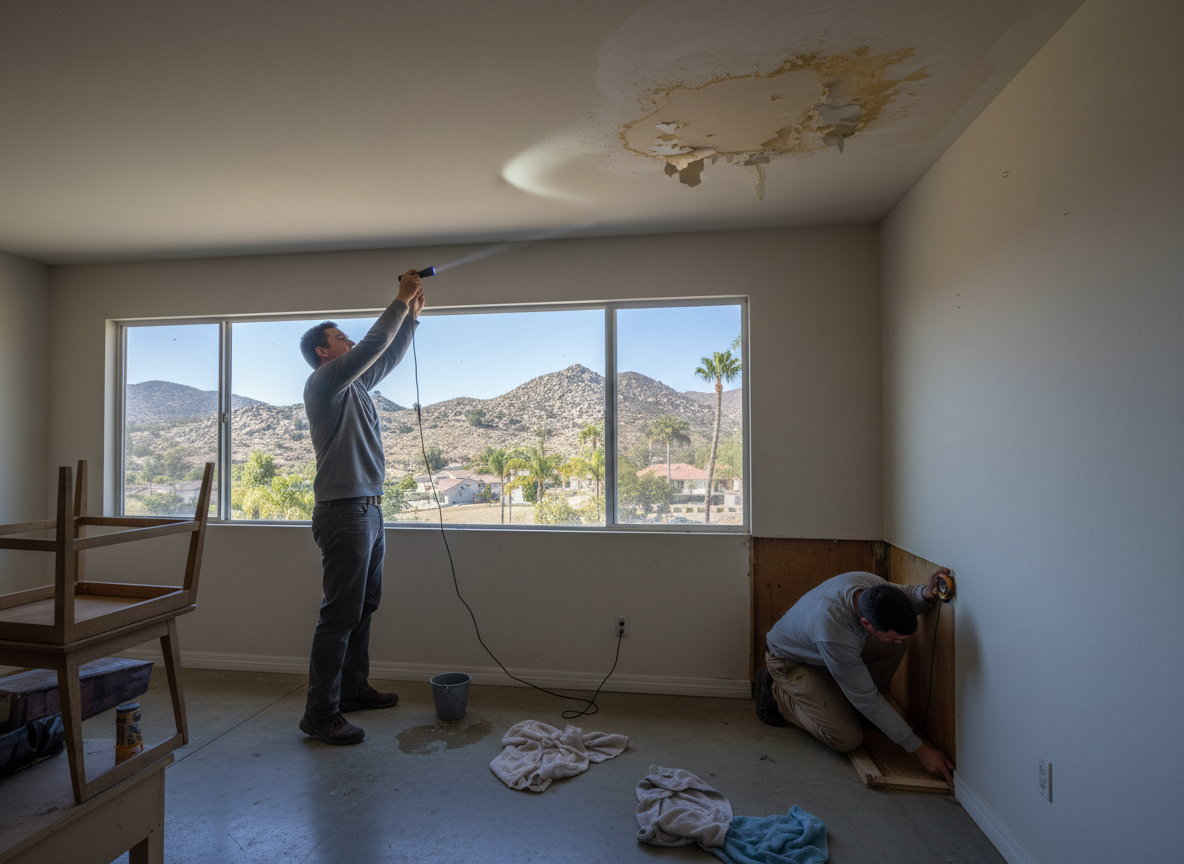
After heavy rains in Sunland, start by inspecting accessible areas for signs of moisture within 24 to 48 hours while the ground remains saturated. Focus first on ceilings and walls near rooflines, as Mediterranean climate winters bring concentrated downpours that test older roofing and flashing in Los Angeles County homes. Look for new discoloration, sagging drywall, or musty odors that were absent before the storm.
Inspecting Attics and Roof Access Points
Sunland homes in neighborhoods like Foothill Trails often feature older attics with limited ventilation that trap moisture after rains from nearby Angeles National Forest trailheads. Climb into the attic with a flashlight and check rafters, insulation, and sheathing for dark stains or soft spots indicating water entry. Pay special attention to areas around chimneys and vents where flashing may have shifted during wind-driven rain common in the region. Use a moisture meter on wood surfaces to confirm readings above 15 percent, which signals active intrusion. Document any findings with photos before conditions dry out. If insulation feels damp, note the location relative to exterior walls facing prevailing winter storms.
Checking Interior Walls and Ceilings
Water from heavy rains frequently migrates behind stucco or siding in Sunland Village properties built decades ago, creating hidden pockets along shared walls with Tujunga. Press gently on drywall near baseboards and window frames for softness or bubbling paint that appears only after prolonged moisture. Run your hand along seams where walls meet ceilings to feel temperature differences that indicate trapped water. In bathrooms and kitchens, examine caulk lines around tubs and sinks for gaps widened by seasonal expansion. These checks help identify leaks before they reach electrical outlets or subfloors common in local single-story homes.
Examining Crawl Spaces and Foundations
Many Sunland properties sit on raised foundations with crawl spaces that collect runoff from slopes near Sylmar. Enter the space after rains and scan for standing water, mud lines on piers, or efflorescence on concrete that marks repeated wetting. Check sill plates and floor joists for dark staining or mold growth that develops quickly in the mild winter temperatures. Note any musty smells that linger, as these often point to slow leaks from exterior grading issues typical along Foothill Boulevard corridors. Measure humidity levels above 60 percent to flag areas needing further attention.
Monitoring for Secondary Issues
After initial checks, track any new odors or stains over the following week as hidden moisture evaporates unevenly in Sunland's dry summers. Homes near Sunland Park may see additional runoff from adjacent hillsides that affects lower levels first. If discoloration spreads or new soft spots appear, consider professional assessment through water leak restoration to prevent escalation. Review related guidance in Preventing Mold After Minor Leaks in Sunland Properties for steps that complement these inspections. Properties in nearby Sylmar share similar terrain challenges that affect leak patterns after storms.